Introduction: A Sudden and Significant Surge
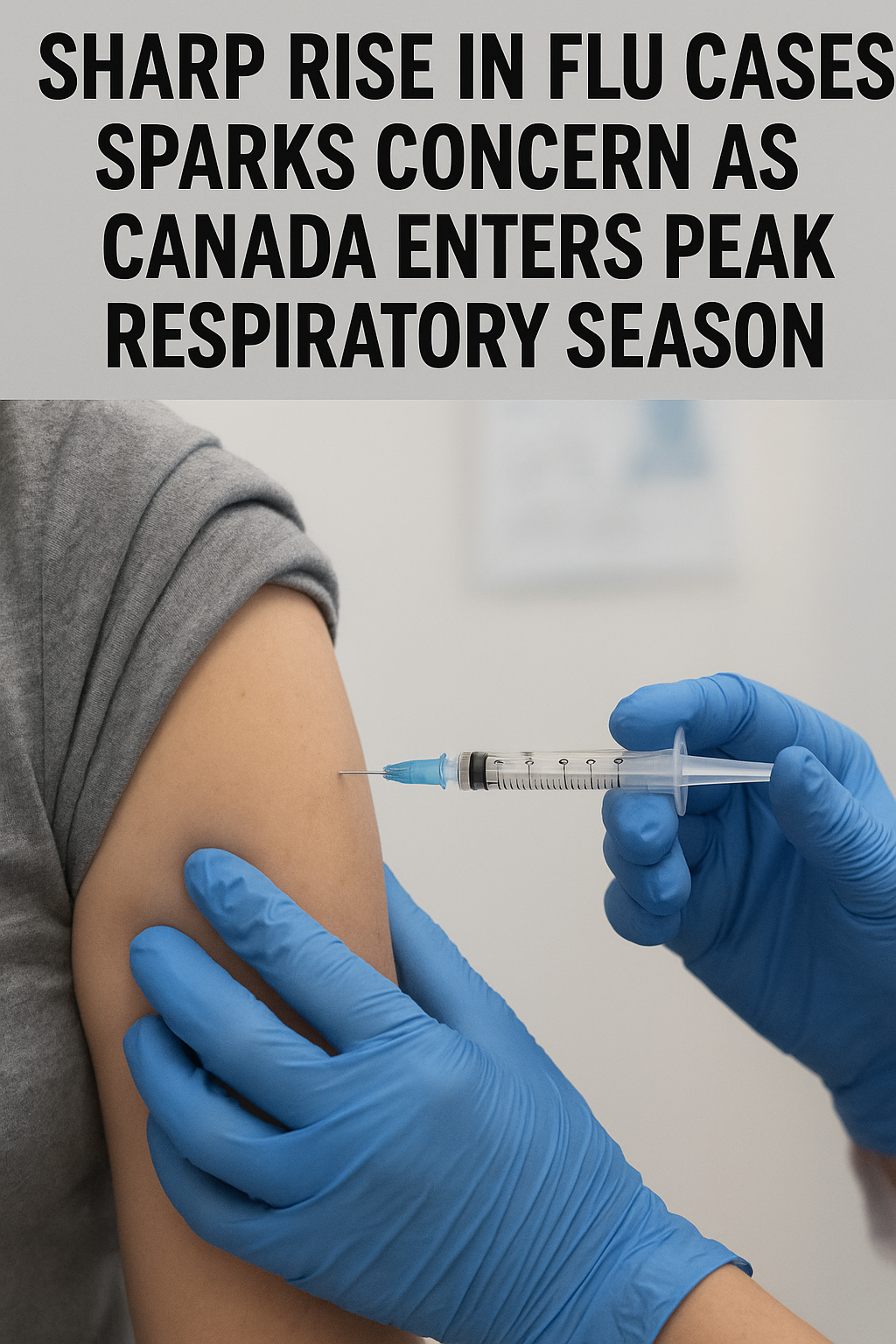
Canada is witnessing a notable spike in influenza cases as the country moves deeper into the winter respiratory season. Newly released federal data indicates that lab-confirmed flu cases have surged by nearly 61%, raising fresh concerns among health specialists already monitoring simultaneous increases in COVID-19 and RSV activity.
The findings come from the latest Canadian Respiratory Virus Surveillance Report, compiled through the national FluWatch+ monitoring program and published Friday. While experts say the rise is not entirely unexpected, they warn that the speed and scale of the increase underscore the importance of vaccination and heightened public awareness.
Confirmed Flu Cases Climb Dramatically
A Week-Over-Week Increase That Signals Escalation
According to the FluWatch+ report, confirmed influenza infections rose from 2,273 to 3,655 during the last full week of November. This marks one of the steepest weekly jumps recorded so far in the 2025–26 flu season, representing a nearly 61% week-over-week increase.
Higher Test Positivity Rates Add to the Concern
Alongside the spike in confirmed cases, test positivity also jumped sharply.
-
13% of laboratory tests returned positive for influenza
-
Up from 8.5% the week prior
This rise in positivity suggests that increased transmission—not simply increased testing—is driving the upward trend.
Public health officials note that this pattern typically signals the early stages of the seasonal flu peak, which usually unfolds between December and February across most provinces.
COVID-19 and RSV Also Being Closely Tracked
Multiple Viruses Circulating Simultaneously
The FluWatch+ report does more than track influenza. It also monitors COVID-19 and RSV (respiratory syncytial virus)—two respiratory infections that exert significant pressure on hospitals during the winter months.
Although the report focuses primarily on influenza for this update, the simultaneous circulation of these three viruses raises the risk of triple-virus strain on healthcare systems. That pressure is already beginning to show in hospitalization numbers.
Hospitalizations Rise in Response to Viral Activity
A 26% Increase in a Single Week
In the final week of November, the surveillance program documented 1,286 hospitalizations related to respiratory illnesses. This represents an increase of 269 patients, or approximately 26%, compared with the previous week.
Health authorities say the rise reflects not only influenza but an overlapping uptick in RSV and COVID-19 cases, which collectively contribute to emergency department congestion and inpatient demand.
High-Risk Groups Facing Elevated Threats
Historically, severe outcomes from influenza occur most frequently among:
-
Older adults
-
Children under five
-
Pregnant individuals
-
Immunocompromised Canadians
-
Individuals with chronic health conditions
However, experts warn that even young, otherwise healthy adults can experience severe complications, including pneumonia, prolonged fatigue, and acute respiratory distress.
Expert Insights: “This Year Could Be Worse—But Still Within Normal Limits”
Why This Flu Season Stands Out
Dr. Isaac Bogoch, an infectious disease specialist at the University of Toronto, says the current flu trajectory suggests that this may be a more intense season than recent years, though it remains within a typical historical range.
“In a normal year, influenza kills about 450,000 people worldwide,” Bogoch explained. “This is not a mild virus. It hits older Canadians and the very young especially hard, and people who are immunocompromised face even greater risks. But make no mistake—even healthy young people can be absolutely walloped by the flu.”
Vaccination Remains the Most Effective Defense
Bogoch emphasizes that vaccination is the most important preventive measure available.
While current flu vaccines are not 100% effective, they significantly reduce:
-
The likelihood of infection
-
Severity of symptoms
-
Risk of hospitalization
-
Potential for complications
The majority of hospitalized influenza patients, he noted, tend not to be vaccinated.
“Is the vaccine perfect? No,” he said. “But it’s the best tool we have, and it absolutely lowers your risk.”
Understanding This Year’s Dominant Flu Strains
Three Major Strains in Circulation
FluWatch+ has identified three primary influenza strains circulating widely across Canada this year:
-
H3N2
-
H1N1
-
Influenza B
These strains vary in how they affect different population groups. For example:
-
H3N2 often leads to more severe illness in older adults
-
H1N1 can hit younger populations particularly hard
-
Influenza B tends to spread more among children and adolescents
The Vaccine Targets All Three
Bogoch reassured Canadians that this year’s flu vaccine contains components offering protection against each of the major strains, an important advantage during a season with multi-strain circulation.
“Even if the match isn’t perfect—which happens some years—the vaccine still provides meaningful protection across all three,” he said. “It reduces spread, prevents severe disease, and helps keep our healthcare system functioning.”
Why This Increase Matters: Impacts on Healthcare and Communities
Hospitals Already Feeling the Pressure
The rapid increase in flu cases and respiratory hospitalizations comes at a time when hospitals across Canada continue grappling with:
-
Staffing shortages
-
High emergency room volumes
-
Backlogs from earlier waves of illness
-
Increased demand for pediatric respiratory care
Many provinces have warned of ongoing strain, particularly in pediatric units where RSV and influenza often surge simultaneously.
Potential for Further Spikes in December and January
Public health experts caution that the seasonal flu peak typically arrives in December or January. Given the sharp rise already observed in late November, the coming weeks may bring further escalation, especially with holiday gatherings and increased indoor activity.
What Canadians Can Do to Protect Themselves
Vaccination, Hygiene, and Awareness
Health officials recommend several steps to reduce transmission and protect vulnerable communities:
-
Getting a flu shot as soon as possible
-
Practicing regular handwashing
-
Staying home when sick
-
Wearing a mask in crowded indoor spaces
-
Ventilating indoor areas
-
Prioritizing tests and treatment for high-risk individuals
These measures, though simple, significantly reduce the spread of respiratory infections.
Conclusion: A Critical Moment in Canada’s Flu Season
As confirmed influenza cases jump by nearly 61% in a single week, Canada enters a crucial phase of the 2025–26 respiratory season. With rising positivity rates, hospitalizations increasing by more than a quarter, and multiple viruses circulating simultaneously, the strain on healthcare systems could intensify in the weeks ahead.
Experts stress that the situation, while concerning, remains manageable—if Canadians take preventive measures seriously. Vaccination continues to be the most powerful tool available, offering protection against all major influenza strains and significantly reducing the risk of severe illness.